Emergency Manager | Speaker | Writer

Month: April 2020

Three Years Working for a State Emergency Management Agency: What I’ve Learned

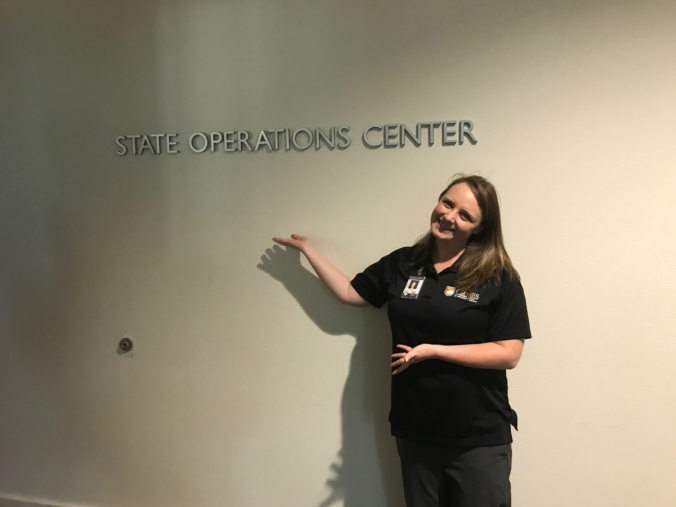
Last week amidst the continued frenzy of the COVID-19 response, I hit a big milestone: my three year anniversary working for the California Governor’s Office of Emergency Services (CalOES). This is a milestone I’ve come close to at a couple different jobs but have never surpassed. Prior to this position all of my experience comes from the local and campus level (and a touch of private & NGO sectors). When I set out on this journey three years ago, I wasn’t quite sure what it would bring. I was hoping to gain response experience (big check) and gain a broader understanding of emergency management functions over multiple jurisdictions (check). Today I’m reflecting on what the major lessons and takeaways have been thus far. 
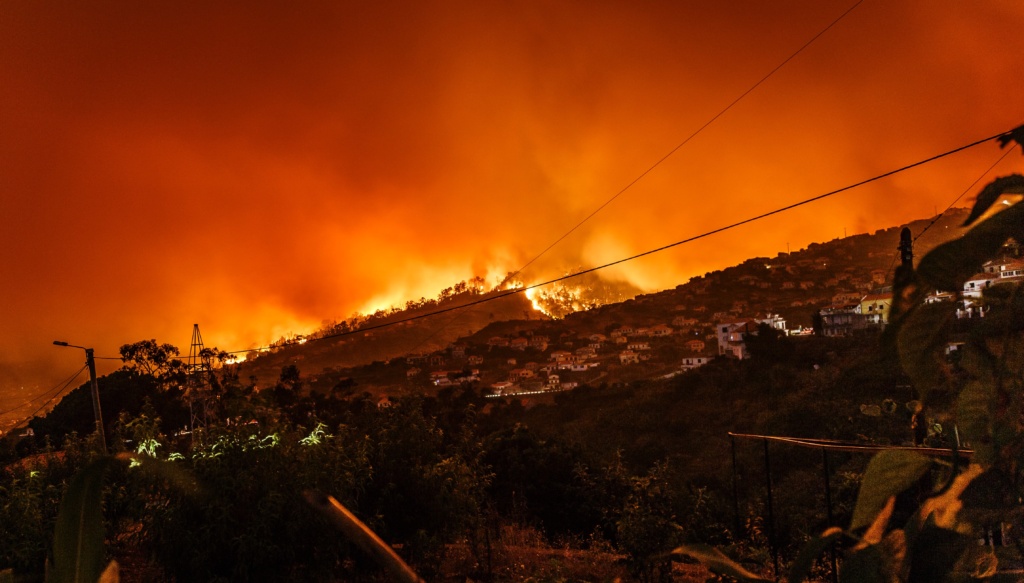
Photo by Michael Held on Unsplash

The Heartbeat of Incident Response

The past three years have been some of the very busiest response years in the state’s history. My first 6 months were eerily quiet, but ever since then we haven’t stopped engaging in either response or recovery. We saw some of the state’s largest wildfires and I was directly involved in response and recovery for the Thomas Fire and the Woolsey Fire in Ventura County. I also responded to the Borderline shooting in 2018 and now I’m embedded in a pandemic response. Our agency responded to the earthquakes in Trona / Ridgecrest last summer too while I was out on maternity leave.

While there are many detailed technical lessons I’ve learned, I would say the important big picture take away from all this experience is a better understanding of the battle rhythm of these incidents, particularly wildfires since there have been so many. I’m no stranger to the flurry of information, the whirlwind adrenaline and anxiety of a wildfire sparking during Santa Ana winds and the lifesaving push for evacuations. I have endured the weeks long EOC activations and felt the burn out from both responders and evacuated residents. I have navigated the turn from a response toward a recovery and rebuilding effort. I have settled in for the long haul and partnered up with FEMA for major disaster recovery operations and the establishment of long term recovery groups. Each phase comes with a different pace, a different flavor and different prioritized information needs. 

Photo by Adam Solomon on Unsplash

Responsiveness for Relationship Building

It’s been said time and time again, so I won’t take time to explain that relationships are key in emergency management. But I will share one strategy to build good relationships that I have discovered during my time with CalOES: Responsiveness. It can certainly be difficult to practice, especially when we are all so busy right now with this response or even just in the normal day to day managing our own programs. It can be tempting to only reply quickly to the most time sensitive emails, or to the ones that will impact you the most directly (i.e. the ones from the boss). But, I have really tried to pride myself on being responsive to inquiries from colleagues both in and outside of my organization and I have found it to pay dividends. 

My role is a little bit tricky because while as a regional liaison I am the face of the organization to many of my EM colleagues in SoCal, I also work in a field office and am not directly embedded within all the various state programming in Sacramento. Accordingly I get a lot of questions thrown my way and I often don’t know the answers. At first I felt embarrassed about this and it was tempting to just flag an email and let it sit. No one in my chain of command would ever know if I just didn’t field the question. Instead, I have practiced replying quickly to the person–it lets them know that I care about their question or concern, that I’m here for them and that I will try to advocate for them and get their question answered as quickly as I can. Then I try to dig up answers. If I do know the answer, I try to reply right away even from my phone while I’m in the field instead of waiting to get back to my computer the next day. People have really appreciated this “customer service” type of strategy, and I believe that relationships are strengthened significantly when we engage in these small exchanges of information and correspondence.

Photo by Natalie Pedigo on Unsplash

The Importance of Teams

The majority of Emergency Management jobs are one person shops that do not come with a dedicated team. One of the things that I’ve enjoyed the most about working at the state level is that I am a part of a massive extended team and a close knit team here in the Southern Region. Throughout the years I’ve seen our team step up to support each other through the good times and the bad and I’m so happy to work with a great group of folks. When I needed to take time off to have a baby last year, I wasn’t worried at all because I knew I was leaving my projects in capable hands and that the team would be able to backfill me. It’s one of the perks I treasure the most.

Just because your position doesn’t come with a built in team, doesn’t mean that you can’t work to build one. Most of us manage EOC’s and that can be a great place to start. You may not be able to groom anyone on your EOC team to fall in love with EM quite as much as you have, but you can at least work to get one or two good EOC coordinator backups or train up a Planning or Sit Stat Unit to alleviate some of the stress from an incident falling 100% on your shoulders. During my time as the EM for Cal State Northridge, I worked to build a ‘preparedness coalition’ that became my interdepartmental team. I held regular meetings and got them jazzed about some of the fun preparedness events I was planning. My enthusiasm and angle of making it enjoyable got a couple of them hooked and even scored one of them a trip to the White House with me to accept a FEMA Individual & Community Preparedness Award for our efforts. It might not be the easiest or most obvious solution but I think that operating as part of a team is extremely important for emergency managers.

Photo by Jeremy Thomas on Unsplash

Balance

Working for the state, I feel like we constantly have to work toward attaining an appropriate balance. Mainly between providing the leadership that is sought from our large, statewide agency and respecting the expertise and unparalleled local knowledge of our Southern California emergency managers. We have to find the sweet spot between stringent mandates and hands off silence, often opting for issuing a kind of ‘guidance’ on hot topic issues. However, sometimes our initiatives are tied to local eligibility for state funding and this is when we can quickly fall from favor if our guidelines are too demanding or not so feasible. During my 3 year tenure I have heard both opinions: “the state should be doing more,” and “the state keeps pushing things on us and asking too many questions.”

One niche that I think we can fill to maintain some balance is by identifying and creating opportunities to share best practices. Because I work with eleven counties in my role, I am uniquely positioned to see and hear about different programs and processes that have been successful in different jurisdictions. I see it as an excellent utilization of our position to be able to make others aware of these best practices and to create forums for this type of information sharing. While I haven’t really been able to create brand new initiatives, I have tried my best to bring these best practices into some of the forums I do have influence over, such as our quarterly mutual aid committee meetings and the recent workshops for our catastrophic earthquake plan. I would love to work to expand these efforts in the future and continue to provide that mechanism for sharing.

********

It’s been a great ride and I’ve really enjoyed the journey so far. Although sometimes I miss having my own program and a more hands on role, I wouldn’t trade these past three years for anything. What kind of lessons do you think are important to share from your level with EM’s from other types of jurisdictions?
Emergency Managers: Who are they and how are they helping with COVID-19?

I am an Emergency Manager–but what the heck does that mean? I like to explain my job as a California Emergency Manager as ‘like FEMA but for the state.’ While the majority of the general public has not heard of emergency management, they have heard of FEMA and generally understand that FEMA works on disaster response, recovery and preparedness. Positions like mine exist for cities and counties too, as well as universities, school districts, museums, and many large corporations like Disney, Target and Walmart. 

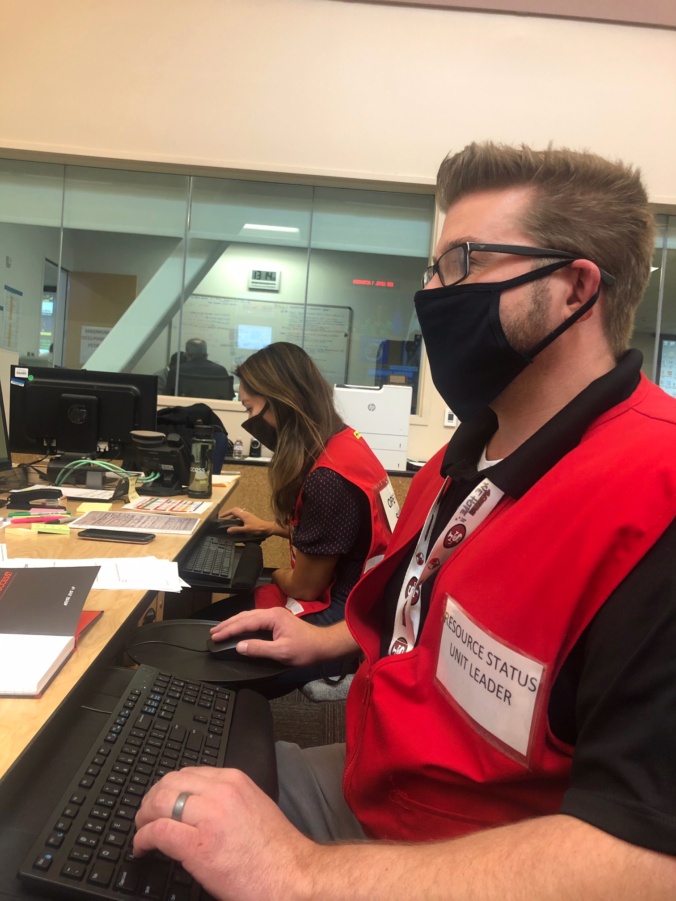
So right now, while the world is in a state of emergency due to a global pandemic I want to take some time to tell you what we emergency managers are doing and further explain why our function is important. It’s important to note that we are working very collaboratively with public health professionals and that while most of the subject matter expertise is in their court, we play a major role in supporting them.

Photo by Elevate on Unsplash

Coordinating Resources

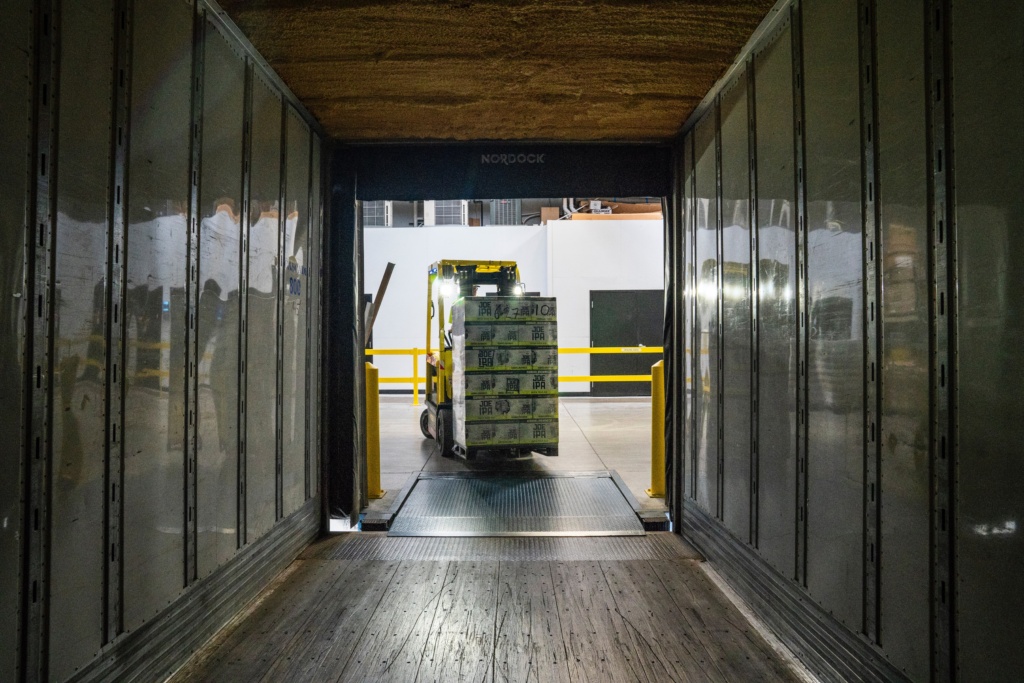
Facilitating the resource request process is a critical function of emergency managers. When we say ‘resource’ it can mean any supply, material, or personnel needed to accomplish the mission. The scope of this disaster is massive and literally every entity is involved in this response, which makes resource coordination trickier than usual. In California, when a city runs out of a resource, they will in turn ask their local county if they are able to help, if not the county will make an ask for state assistance. If the state can’t fill the request, we will ask the federal government for help. Emergency managers are in charge of creating and managing the way that this information is transmitted by the various levels of government. These are the common types of resource requests that we are helping with in the pandemic: 

  • Personal Protective Equipment such as N95 masks, gloves, Tyvek suits and gowns 
  • Disinfecting wipes and hand sanitizer 
  • Trailers to provide isolation space for quarantine of homeless populations
  • Personnel to assist with food distribution
  • Personnel to assist with onsite logistics for medical field hospitals and drive thru testing sites
  • Cots, blankets, and hygiene supplies for congregate shelters
  • Meals Ready to Eat (emergency food for first responders)
  • Communication equipment to support virtual operations to ensure better social distancing. 
  • Body bags for mass fatality planning.

It’s important to note that the public health side of the house has their own resource ordering system so they handle the ordering and distribution for actual medical equipment and medically trained staff.

Photo by Luke Chesser on Unsplash

Producing Situation Reports

Another key function of emergency managers is to coordinate information. An incident like this is incredibly dynamic as the situation changes daily. We try to keep track of all the updates in our assigned areas and produce reports that can be shared with partner agencies to keep everyone on the same page. We also work with GIS folks to create dashboards that are interactive and accessible to the public. We are working closely with public health on this, since they are the keepers of the official case and fatality counts. Information you might not think of that’s important to us include: 

  • Actions of other departments within our agencies
  • Emergency Operations Center activations within our areas (the coordination centers where we work together)
  • The status of emergency proclamations by our local governments and requests for state / federal assistance (the legal documentation of states of emergencies)
  • The number of resource requests pending and filled
  • The status of first responders (i.e. are police and fire at full functioning status)
  • The status of executive emergency orders such as business / public facility closures, banning of gatherings, etc.
  • Press conferences scheduled / public information that has been disseminated

Monitoring Continuity

While collecting data for situation reports from other departments, emergency managers are also learning about continuity of their organization. This is an especially important function of private sector agency emergency managers. In an event like COVID-19, it’s important for us to understand how employee absenteeism and/or telework is impacting the mission of the agency overall and if we are still able to meet our customer service goals–including continuity of government for public agencies. In a pandemic this is really critical and I think that as the situation continues to evolve the focus will shift a bit toward organizational continuity, especially as closures endure for months. How will businesses stay afloat? Can their models evolve toward delivery or online service / products? I’ve seen many yoga studios and gyms move toward online courses and our schools are being forced to rapidly evolve to meet their goals. Emergency managers (and business continuity managers) play a huge role in planning for this and helping the organization continue to meet its goals.

Photo by William Iven on Unsplash

Managing Public Information

Emergency Managers also have a responsibility for keeping the public informed about emergency actions that are being taken. An emergency management department typically has a Public Information Officer assigned or works closely with a PIO from another department to ensure that talking points for press conferences are vetted, press releases have actionable and accurate information and that social media is engaged with current information. During press conferences, I’ve seen the Emergency Management Director of California, as well as the City of Los Angeles, make appearances. I have also seen agencies utilizing the Wireless Emergency Alert system (i.e. the Amber alert function on your phone) to send messaging to all cell phones in their areas. I’ve gotten several notifications with COVID-19 updates from my City’s emergency notification system too. 

Photo by Dimitri Houtteman on Unsplash

Planning for Recovery

As Emergency Managers we plan for all functions of the ‘disaster cycle.’ That includes planning for the aftermath of the incident–even though it feels like it might never come in this one. What is the future going to look like economically for the agency? How many citizens in the jurisdiction might be impacted by unemployment? In this disaster, because we don’t have debris removal or rebuilding to worry about, our focus will be on helping people and businesses to get through this in order for our communities to return to normalcy. What existing social service programs can be expanded to support people in the aftermath of this crisis? We also apply for reimbursement from the federal government through the disaster cost recovery process. In coordination with grants personnel we fill out the forms needed to account for all the overtime and ‘emergency protective measures’ that we expended during the response so that our local jurisdictions can recoup some of what was spent in this already very expensive disaster.

Photo by Markus Spiske on Unsplash

How Can You Help?

Now that you have a better understanding of what emergency managers are doing during this pandemic, you may be thinking what can I do to support the mission? Here are three ways…

  1. Keep Emergency Supplies: What I’m hoping will be a major takeaway for the general public is to keep a disaster preparedness kit–including food and toilet paper!–ready for future disasters. We saw how everyone made a run on the stores and the negative impacts that had. Make sure you’ve got some emergency food and water already stored up. We were lucky no major supply chain impacts (besides some disruptions to PPE) have occurred in this disaster, but the next one may cause major physical damage that will disrupt supply lines. Take this as a lesson to have what you need to survive on hand before it happens. 
  2. Know How to Stay Informed: We hope you are more dialed into the emergency channels now–hopefully you’ve signed up for emergency alerts in your local jurisdiction and/or followed them on Twitter and other social media. This is a great way to stay informed. The COVID response is somewhat slow moving compared to other disasters, so it’s a good idea to continue to follow these outlets closely in future emergencies. 
  3. Advocate for Emergency Planning: And finally if you’re ever in a position where you can speak up about the importance of funding emergency management, please do! We are the ones working behind the scene to make improvements to the plans, processes, and systems so that we can respond swiftly to the next disaster. Give us a shout out to your executive management or let your local representative know!